







Keeping your creative muscles in shape in the AI age
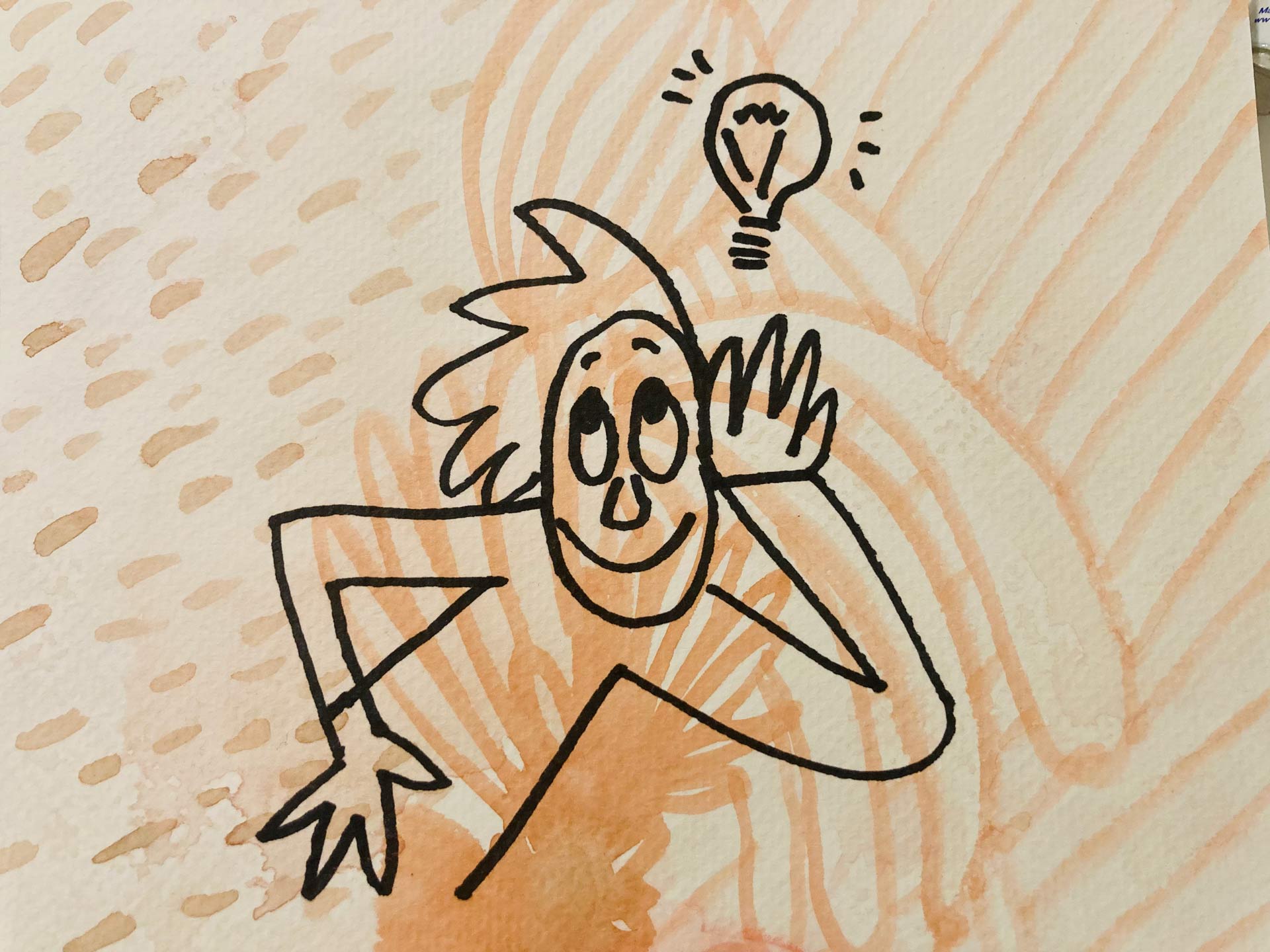
The risks of delegating creativity to AI
If you’ve been using artificial intelligence a lot recently, you might have noticed that your creative musclesare out of shape. The convenience of immediate answers can weaken the very thing that defines us as people: our capacity to imagine, question and transform.
Having said this, we have to remember that history also reminds us of something important. When the camera first appeared, it influenced the evolution of art, replacing the function of painting as a way of representing reality. This gave rise to impressionism, cubism and the avant-garde. Just like Picasso said: “I paint objects as I think them, not as I see them.” Every technological advance brings with it the necessity to redefine our own role.
AI and creativity: uneasy allies
AI can help us to broaden our horizons. But, if used carelessly, it can dull our essential skills. We have to train our mind to keep it open, so that we can think outside the box. Emotional regulation in teams and innovation require developing skills that AI cannot replace.
If AI is, as the philosopher Daniel Innerarity says, a ‘teachers pet’, then it will always agree with us. It might not be nice when someone disagrees with you, but it is sometimes thanks to criticism or uncomfortable questions that we find new ways of thinking.
Here are some key parts of creativity that you shouldn’t let go of.
- Doubt“I doubt, therefore I am.” Questioning reality is uncomfortable but it is essential to grow.
- Confrontation: AI tends to agree with us, but without critical debate we never break the mould.
- Judgement: we need to listen to our intuition, looking inwards to decide.
- Discomfort: exploring the strange, the irreverent, colouring outside the lines keeps creativity alive.
They say that while the philosopher Descartes' famous phrase “Cogito Ergo Sum” was misinterpreted and translated as “I think therefore I am”, what he actually wanted to say was “I doubt, therefore I am”. Questioning reality, questioning oneself, asking out-of-the-box questions is what makes us grow. It is also something that hurts. Because seeing ourselves doubting in a world of certainties seems like a weakness, when it is in fact a strength. Questioning reality is to progress, to improve it.
Climb the mountain or take the chairlift
AI is like a chairlift: it seems fast, convenient and efficient. But we shouldn’t forget the value in climbing the mountain step by step: learning the process, overcoming obstacles, gaining motivation and skills. We don’t always need speed: sometimes the important thing is the process and what we learn from it, which unites us as a team.
That’s why, although you might use AI to answer some questions, you should never forget that balance is needed to not weaken our creativity and uniqueness. Don’t let your skills become complacent.
Training plan to keep your creativity in shape
- Breathe, walk, stretch, surround yourself with people that make you laugh or think.
- Swap out generative AI for hands-on work: a notebook, sketches or doodles.
- Explore new environments: music, walks, open spaces, nature.
- Encourage productive conversations that activate new connections and help your emotional well-being at work.
The key: balancing technology with humanity
The question with AI is not yes or no. It is how we keep our creative muscles healthy while we incorporate new tools. Organisations that look after this balance develop more innovative, cohesive teams with real capacity to deal with complexity.
At Art for Life we work with businesses using creative methods and innovation processes that help to improve motivation and develop tools.
Discover Art for Life’s creative consultancy, by Miren Lauzirika