










Boredom-phobia and how it limits emotional regulation in teams
The importance of taking a break for motivation
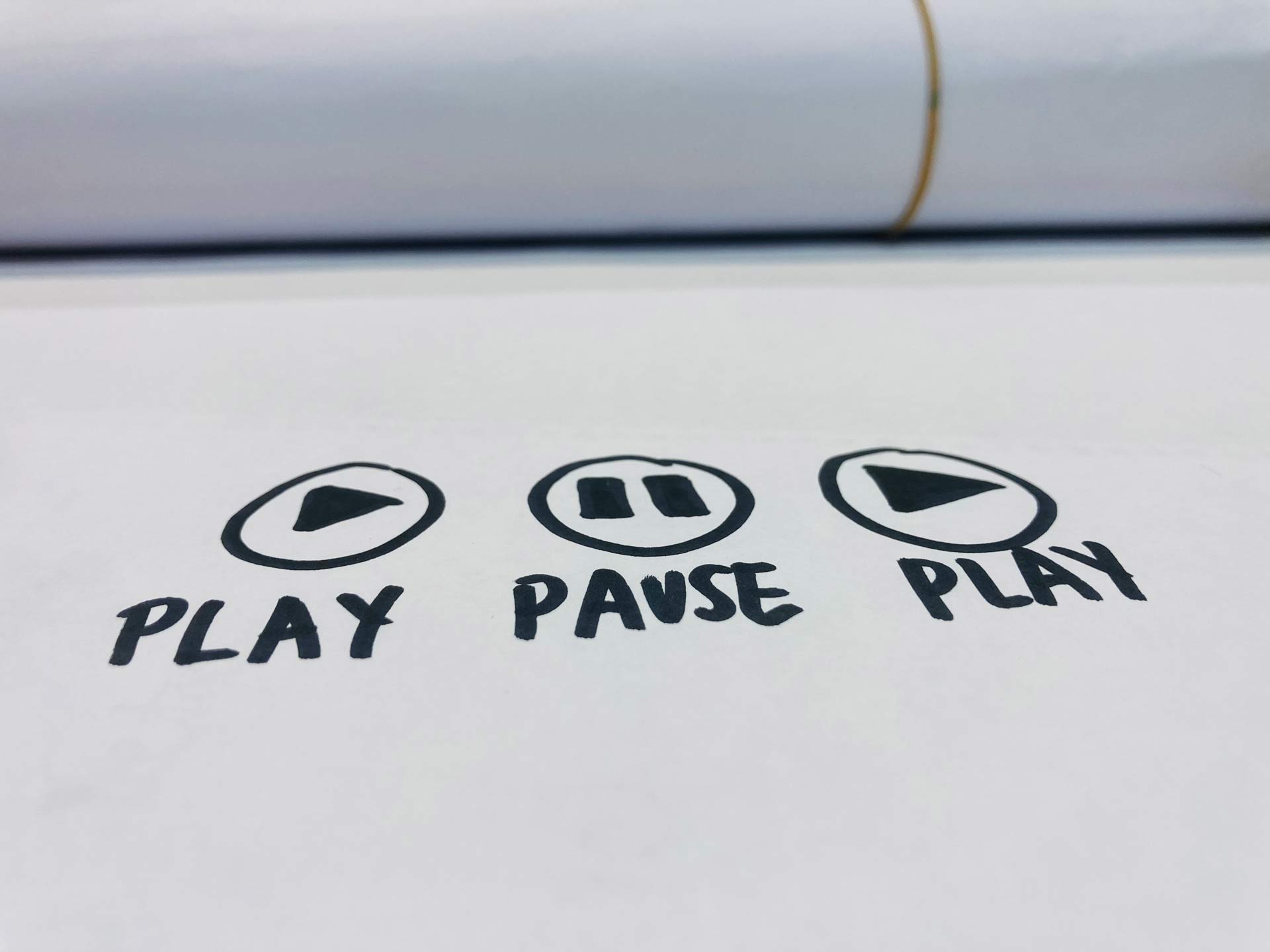
We live in a saturated world. Constant information, non-stop interaction, opinions and notifications without rest. Amongst all of this, taking a break seems like luxury, when it is actually an essential resource for emotional regulation in the workplace.. A blank space in the schedule - or rather an open space- isn’t a waste of time. It is an active break, productive breathing room, a necessary condition to create something new.
Those who lead with purpose and use emotional intelligence know that the best ideas don’t always come from structured meetings. They often arise during a coffee break, an unplanned conversation, or in a spontaneous moment that opens space for creativity.
Open spaces, thriving relationships
In many organisations, although teams share office space, internal relations are reduced to functional exchanges. Often, sharing a birthday cake in the office is enough to change the dynamic. People begin to joke, talk together, and occasionally generate ideas that later become projects.
Breaking from the day-to-day is again key. Visiting another branch, participating in a congress or going for a walk together after a training session are not unproductive luxuries, but creative time that improves the emotional climate, reinforces cohesion and increases motivation.
Making space for creation
The Basque sculptor Jorge Oteiza used to remove material to allow the negative space to talk. With creativity, the same thing happens. We need unplanned space,free from tasks and emails, where new ideas can emerge. The most powerful innovations can’t be forced. They appear only when we give them space to. That’s why your best ideas come to you when you are riding a bike, or about to fall asleep: because that’s when your brain has the space to explore new areas.
In a work culture dominated by hyper-productivity, taking a break can seem like rebellion. But when we look at absenteeism, staff turnover or lack of motivation, it becomes clear that we need new ways of looking after our teams. Emotional regulation cannot be developed without active breaks, or active listening, or without those open spaces that allow what is really important to flourish - people.
Creating open spaces within teams
- Agree on active breaks without phones.
- Save space for conversations between projects.
- Encourage cross-sectional inspiration outside of the usual setting.
- Remember that while the to-do list might never end, people do have a limit.
- If you work online, remember that it’s still necessary to try and open up informal spaces.
Make taking a break an opportunity
A blank space, or rather a productive space, is not absence. It is pure presence. Making space for not doing, opens the door for transformation. In our organisational creativity training,we design spaces to work on listening, presence and idea generation, key skills to turn creative time into a source of innovation, cohesion and a sense of togetherness.
Find out how we can work with you. Discover Art for Life’s services.