







“Creativity needs freedom” and other false beliefs
Fake truths about creativity
In creativity, as in other spheres, there are accepted beliefs. Affirmations that we repeat so often that they seem like absolute truths. But, just like with fake news, we need to question them. We’ve summarised some of the most widespread here.
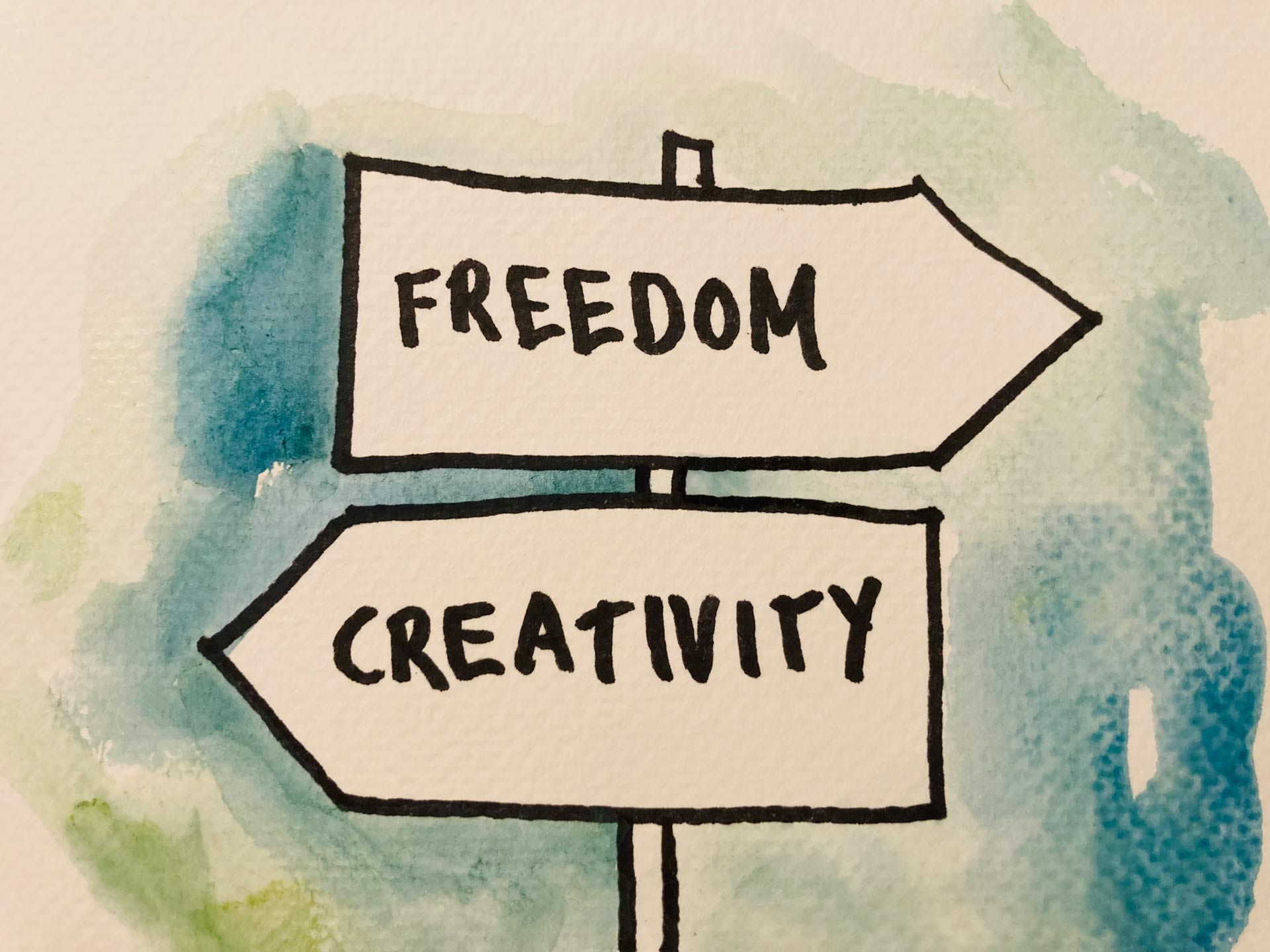
Belief 1: “You need absolute freedom to be creative”
We often hear that imagination flourishes in total freedom. Not true.Internal freedom, coming from self-esteem, authenticity, a feeling of not being judged or controlled, does indeed encourage creativity. But absolute freedom in our surroundings can be the enemy of innovation.
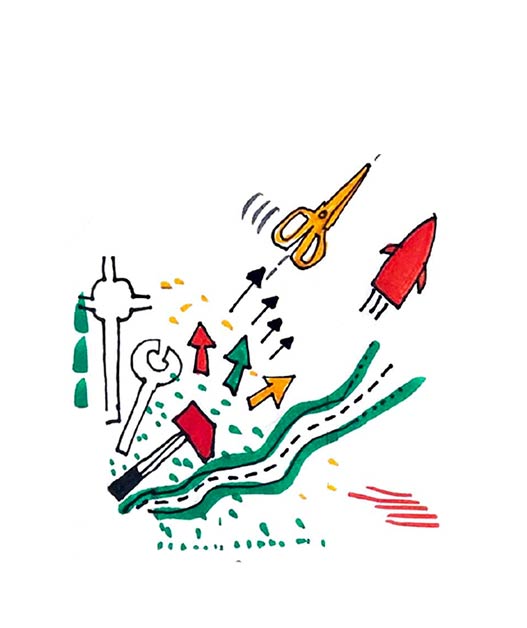
Our brains need external boundaries:a framework, or a specific challenge that pushes us to find solutions. If anything is possible, the lack of limits means the most probable thing is that we will think of the safest, most generic thing. In contrast, when limitations appear, creativity is activated to find new solutions.
As Erich Fromm said, true freedom is internal: to act for oneself with autonomy and authenticity. But it is the external conditions, the challenges, that motivate us to create. That’s why applying creativity requires: Internal freedom, external boundaries..
Belief 2: “You have to think big”
The famous phrase think big can be motivating... or paralysing. Dreaming big is positive as long as it has a connection to real action. On the other hand, the dream can turn into a platonic ideal,so perfect that we never want to bring it to reality.
Starting with small steps, progressing in an organic and strategic way, is more empowering than expecting an impossibly big leap. The danger of “thinking big” is falling into analysis paralysis: the more perfect you imagine the future, the further it gets from the present.
Dreaming helps creativity, as long as at least a small part of the dream is translated into action. Ideas and practice need feedback to grow.
Beyond the American Dream
Both beliefs - absolute freedom and thinking big - come from the so-called “American Dream”. The idea that we can do anything, and that it should be huge. Experience shows us that looking after mental health and motivation requires realistic, creative and reachable goals..
True innovation comes when we stop trying to fit into other formulas and learn to respect our own creative path. That is the true path to self-motivation.
If you want to explore concrete methods for your organisation that train your creativity with limits and realistic goals, let's talk about how we can bring it to your team. From an ideas session to learning how to lead meetings, creativity can be more present than you think in your work.