














Worried about broaching the strategic plan?
Worried about broaching the strategic plan?
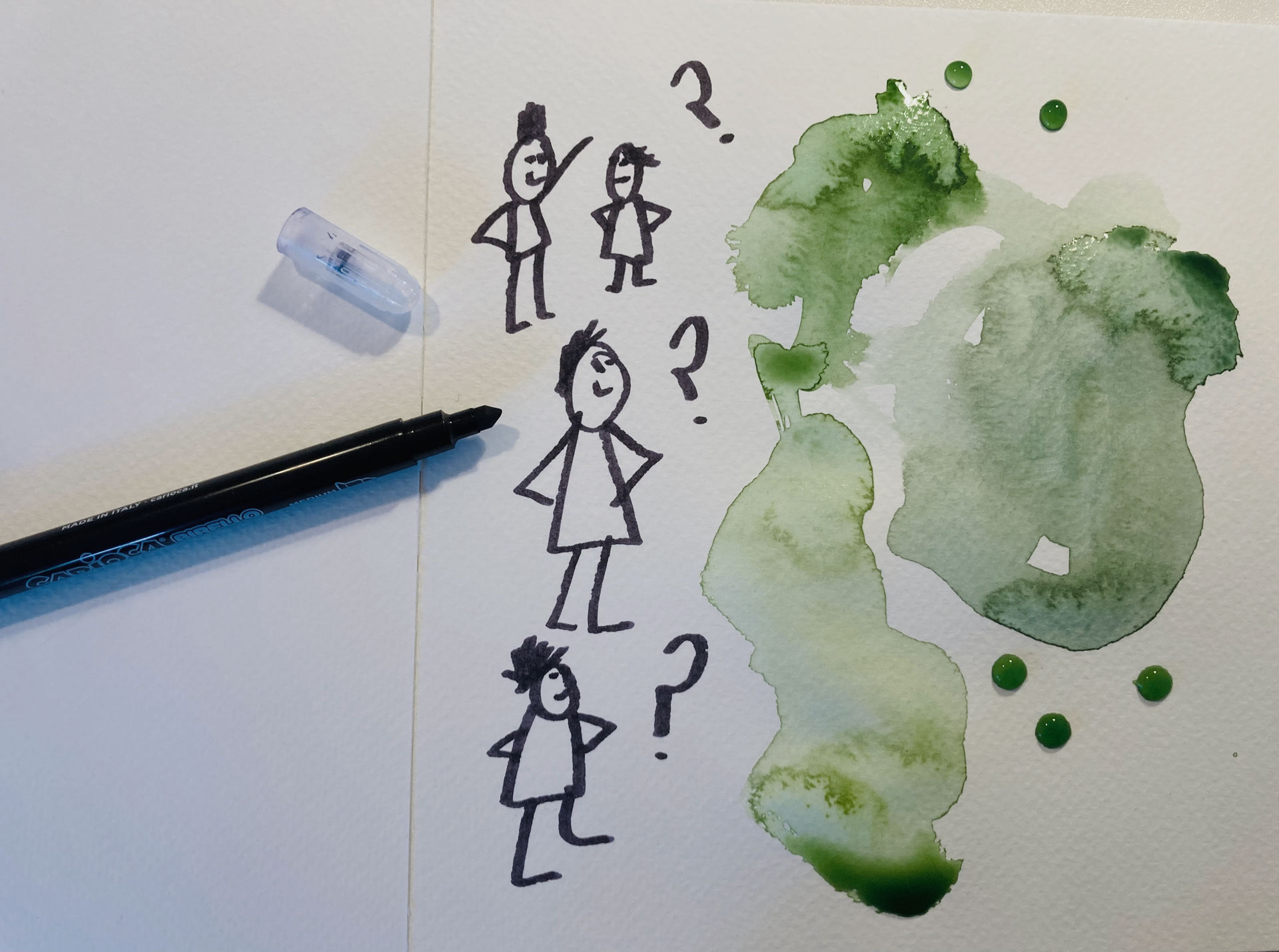
When someone mentions in a meeting that it’s time to develop the organisation’s new strategic plan, faces drop. Out comes boredom, scepticism and, almost always, the big question: What for? It won’t be long before the next question is asked: How do we do it?
Two possible routes: repeat the usual or innovate
Facing this challenge, there are usually two options. The first: repeat the usual. That is, copy the last plan and give it a new title, without changing anything fundamental. The second, braver option: shake it up, opening the door to participation. This is when two fears come up: What happens if staff bring up other topics? And what about if old conflicts reappear? We imagine endless meetings, abstract results and never ending discussions. The fear of chaos leads to procrastination: “We’ll get round to it next year”
But this non-decision also has consequences. Moving forwards without a plan can leave your team disoriented, and a team without a compass loses motivation and cohesion. That’s why we involve staff in the planning process.
Balancing direction and participation
Not every organisation needs the same level of openness. If management knows clearly the direction to head in but is not open to accepting contributions, they should assume that the destination will be decided by a select few. In this case, it’s better not to ask.
Nevertheless, opening up the question of ‘how’ to the full team in a second stage allows us to improve the plan with innovative approaches and different points of view. Something important happens here, when the team sees their way of doing reflected, it increases motivation, fosters a sense of ownership and, with it, excitement. And without excitement, there is no transformation.
The value of a participative strategic plan
A strategic plan is not a document, it’s an opportunity. A tool to generate cohesion, reinforce values, activate imaginations and work creatively on ideas. A good strategic plan offers direction, takes an organisation off the hamster wheel and creates determination to strive towards a common future.
The key is not so much whether or not to do it, but how to do it. Participation doesn’t have to lead to chaos. With the right methodology, it can become a significant learning process for the whole organisation.
The importance of external facilitation
This is where business consulting comes into play. An external facilitator offers neutrality, helps the team come to their own conclusions and avoids sterile conversations. On top of this, integrating lateral thinking, visual resources and metaphorical language means that great ideas come from new connections, not endless sentences.
That’s why it is important that the external consultant helps the team to move forward, to make decisions, not just come in with a Power Point and tell you what to do. They should be someone who reinforces the team, activates them and makes sure that they make the most of the time and leave wanting more.
Broaching the strategic plan
Yes, a strategic plan can be an imposing mountain to climb. But reaching the summit can be empowering, rewarding and shared. It’s not about fearing it, but taking advantage of the opportunity for collective growth.
Why don’t we talk about how to climb this mountain in your organisation?